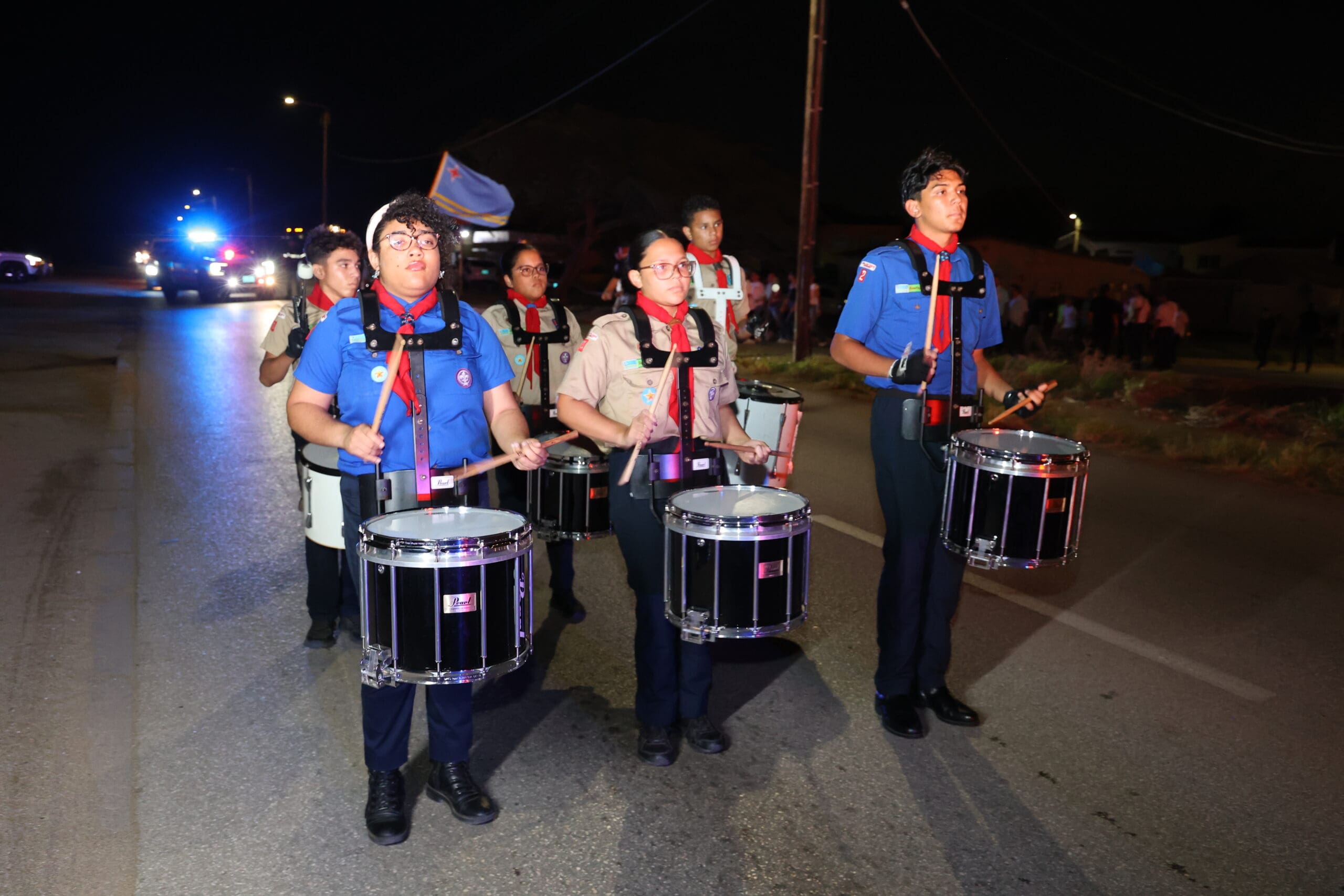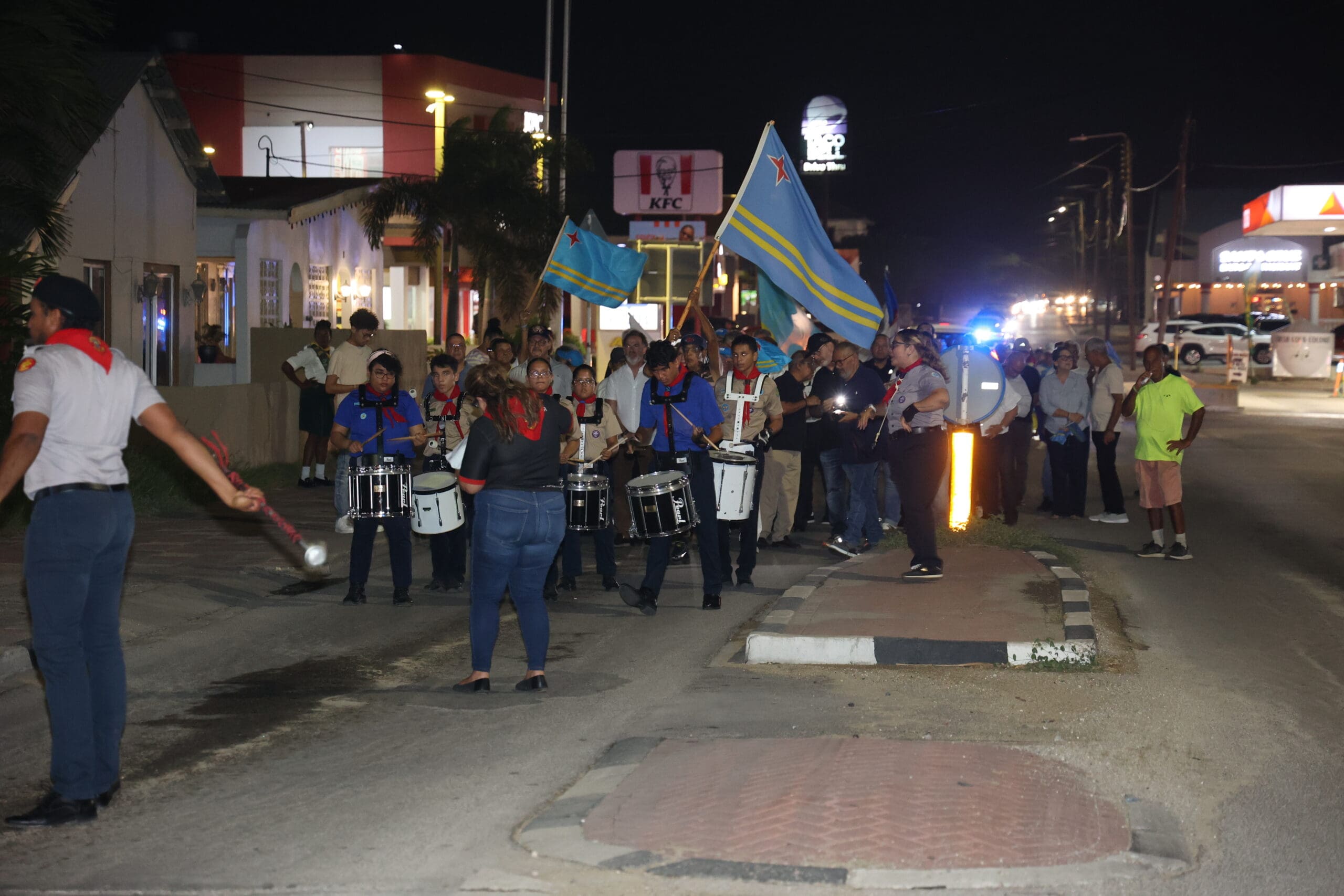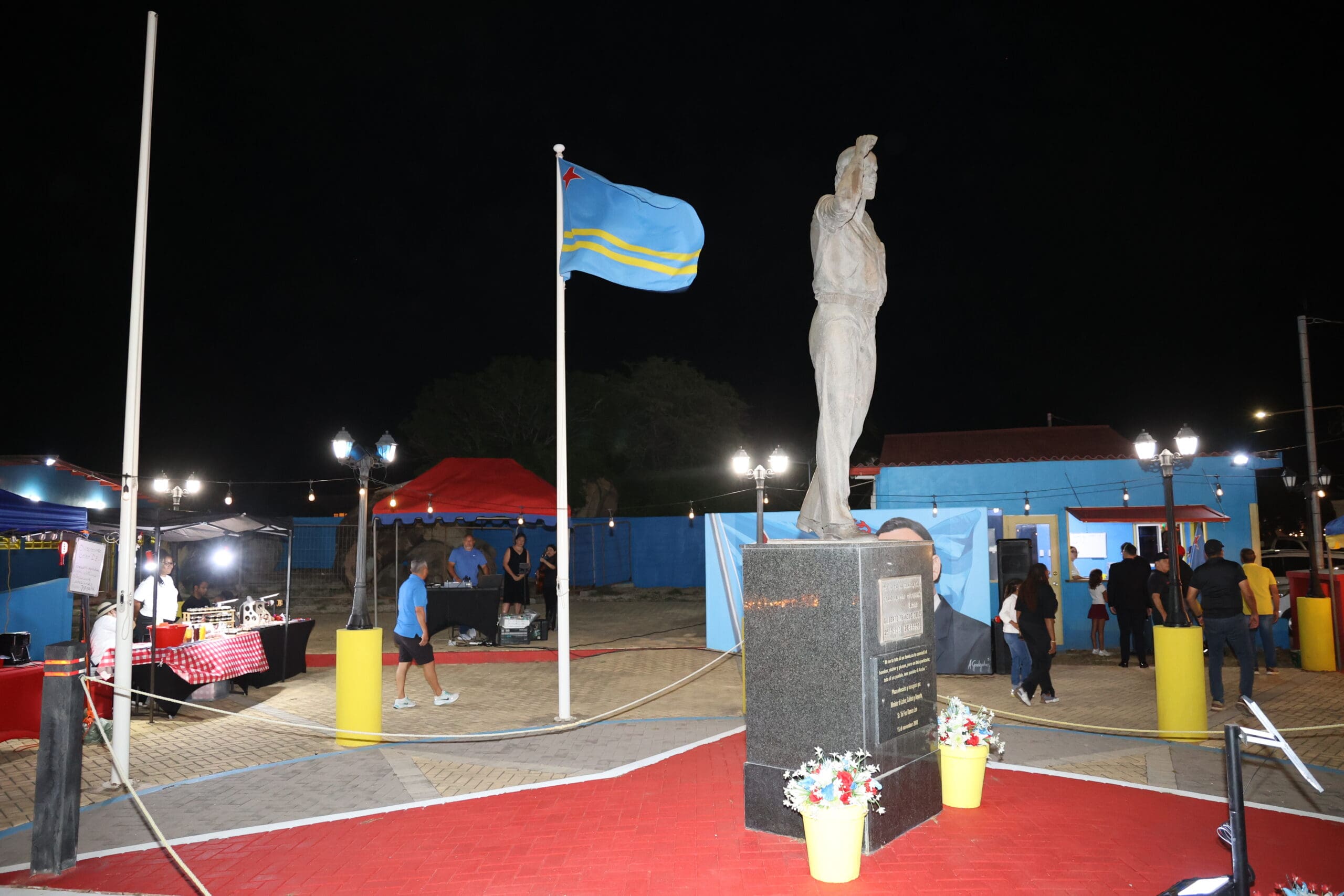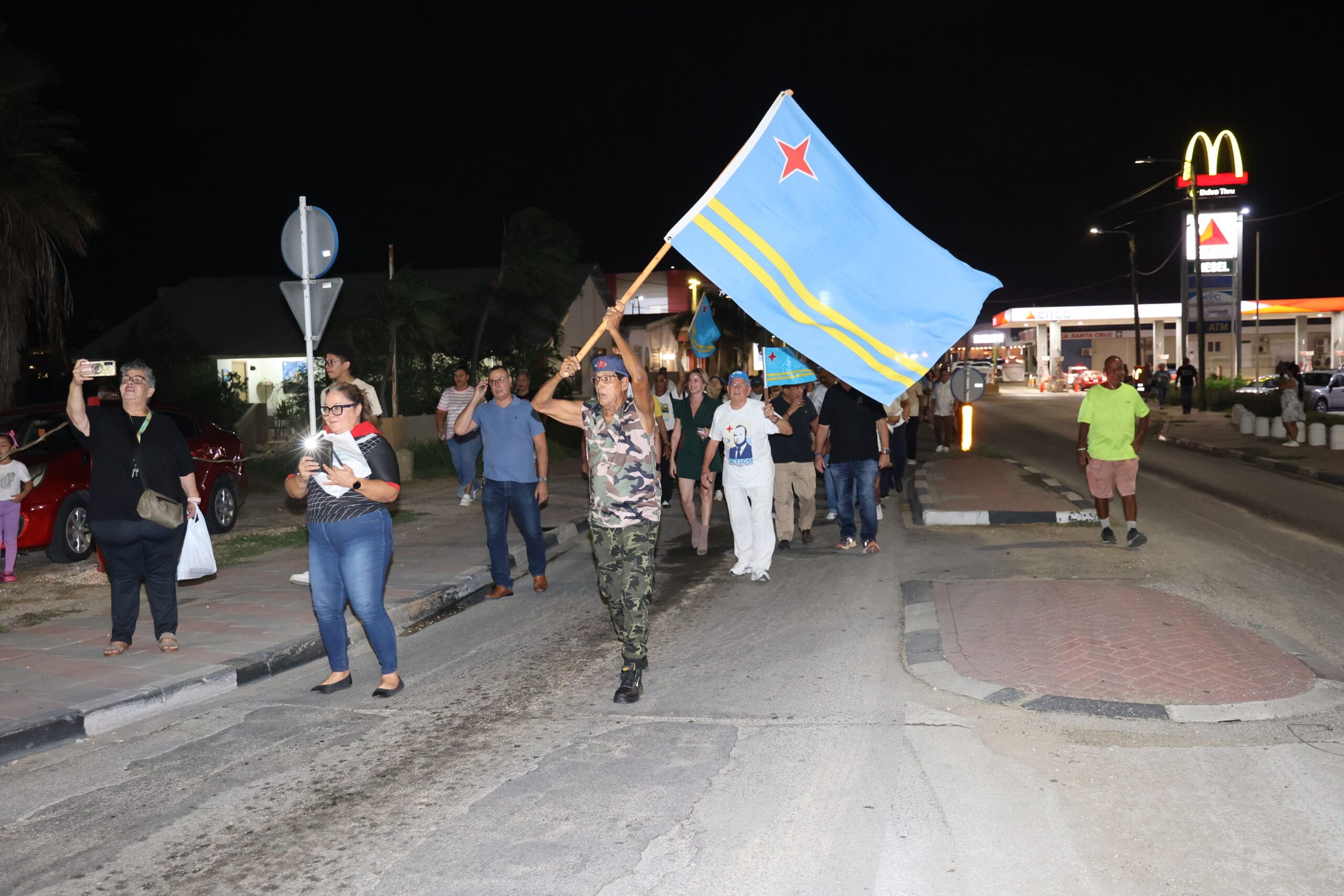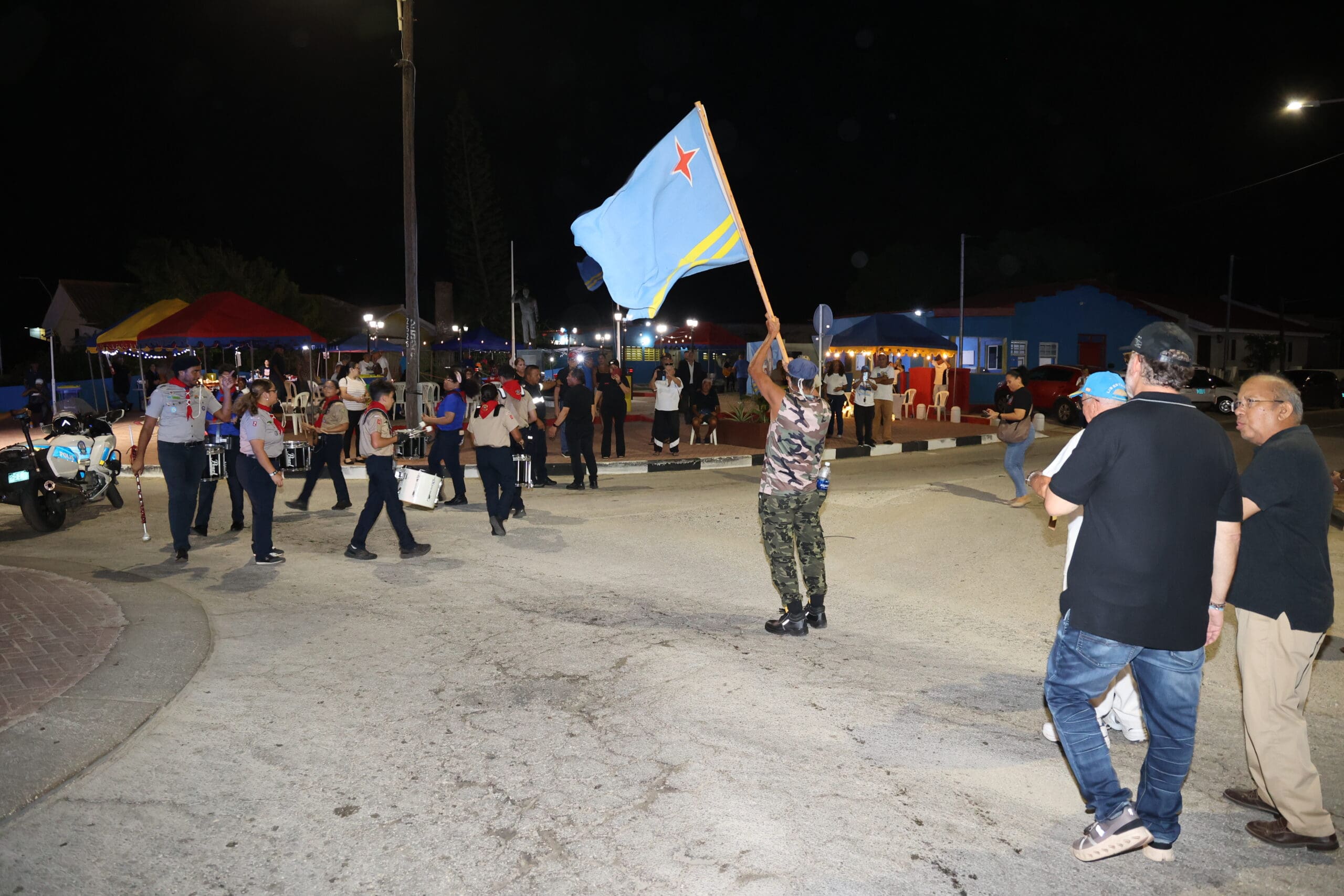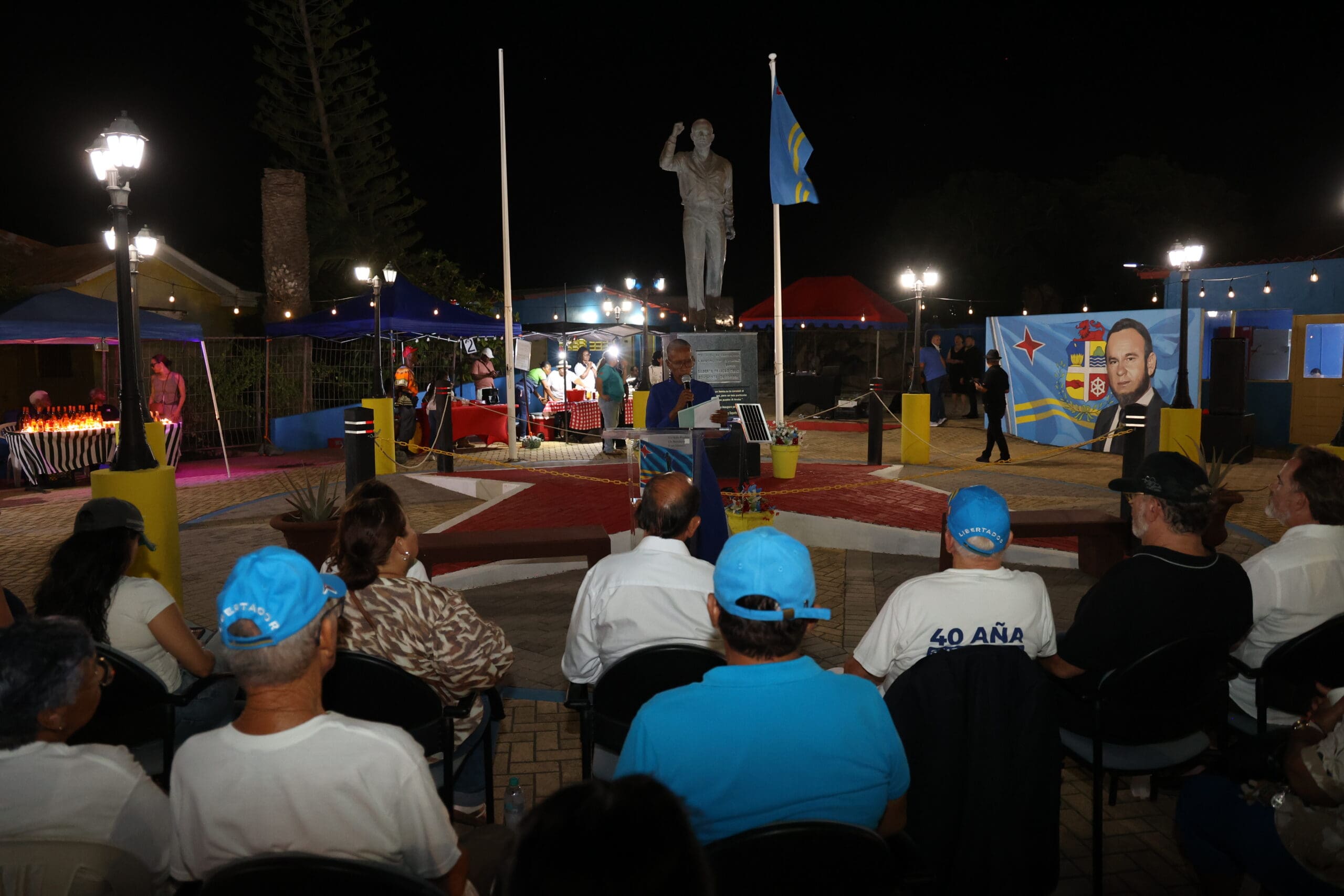
The Betico Croes Foundation and the MEP party held a special commemorative evening to mark 40 years since the death of Aruba’s liberation leader, Gilberto François “Betico” Croes. During the event, Joe Koolman, vice president of the international organization COPPPAL, and Member of Parliament Dangui Oduber reflected on Aruba’s struggle for autonomy and the challenges it faces today.
The international dimension and warning against neocolonialism
Joe Koolman, who serves as COPPPAL’s vice president, highlighted the important role international solidarity played during the 12 to 13 years of struggle for Aruba’s cause. Betico Croes himself co-founded the organization on October 12, 1979.
Koolman said the anniversary should be an opportunity for both the public and political leaders to reflect on Aruba’s history and consider whether the island’s interests are still being adequately protected and defended.
Addressing current developments, he warned against what he described as “neocolonial thinking” and strategies aimed at recolonization. He stressed that Aruba must remain alert and vigilant in the face of these developments.
Rejecting Kingdom Act HOFA
Member of Parliament Dangui Oduber emphasized that Betico Croes’ legacy goes beyond political party lines and belongs to all Arubans. He recalled that the sacrifices made during a difficult struggle paved the way for today’s generations to live in a free country with its own Status Aparte, which took effect on January 1, 1986.
Aruba now has its own government, Parliament, institutions such as the Central Bank, the General Audit Chamber and the Council of Advice, as well as its own national symbols.
Although Betico Croes was not alive to witness the achievement of Status Aparte in 1986, Oduber said it is the responsibility of younger generations of politicians to protect this. In this context, he expressed firm opposition to the proposed Kingdom Act HOFA.
“Kingdom Act HOFA must be completely taken off the table because it would take away our freedom and Status Aparte, as well as our right to make our own decisions,” Oduber said.
He concluded that the 40th anniversary commemoration serves as an important reminder of the need to continue defending Aruba’s right to self-determination.