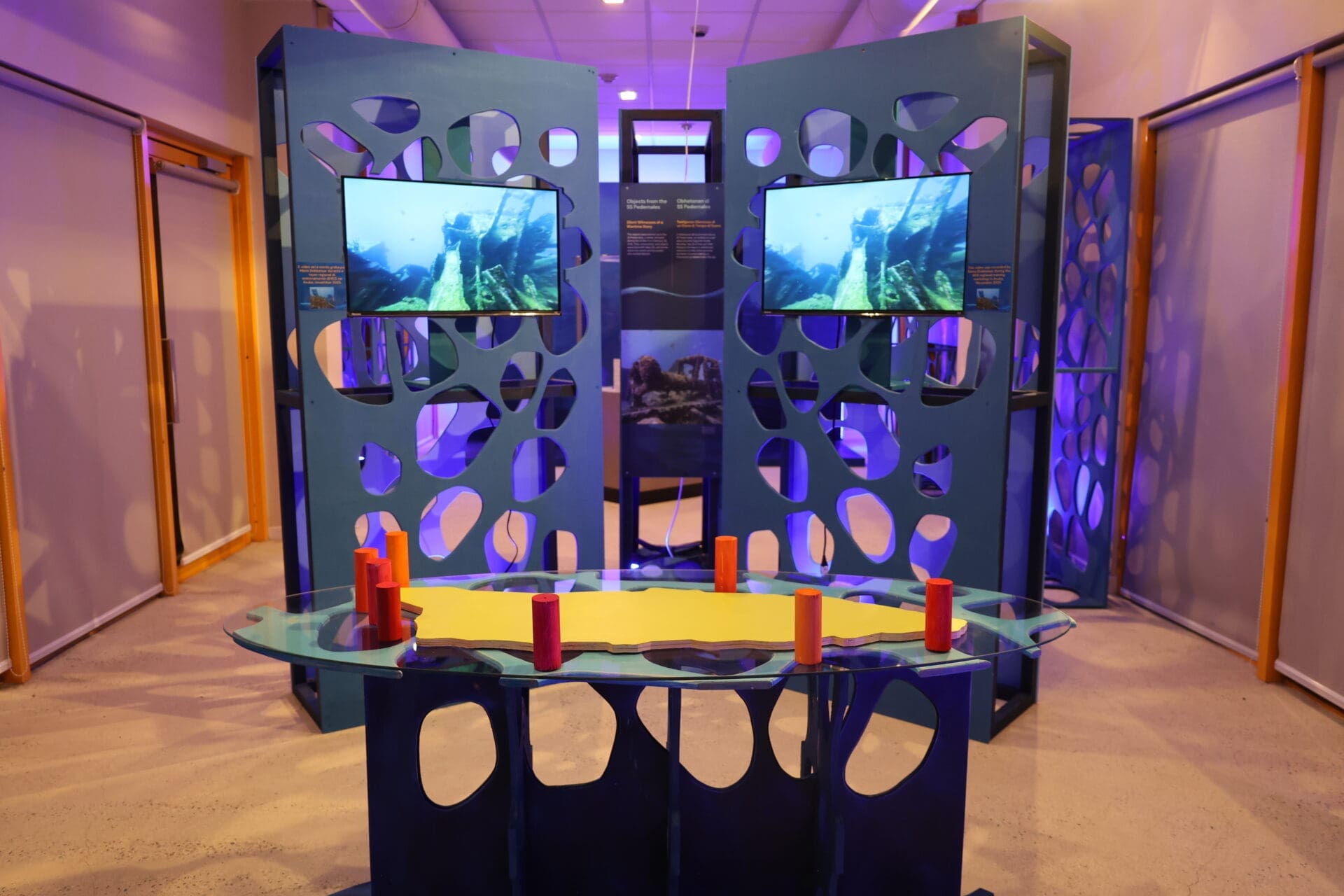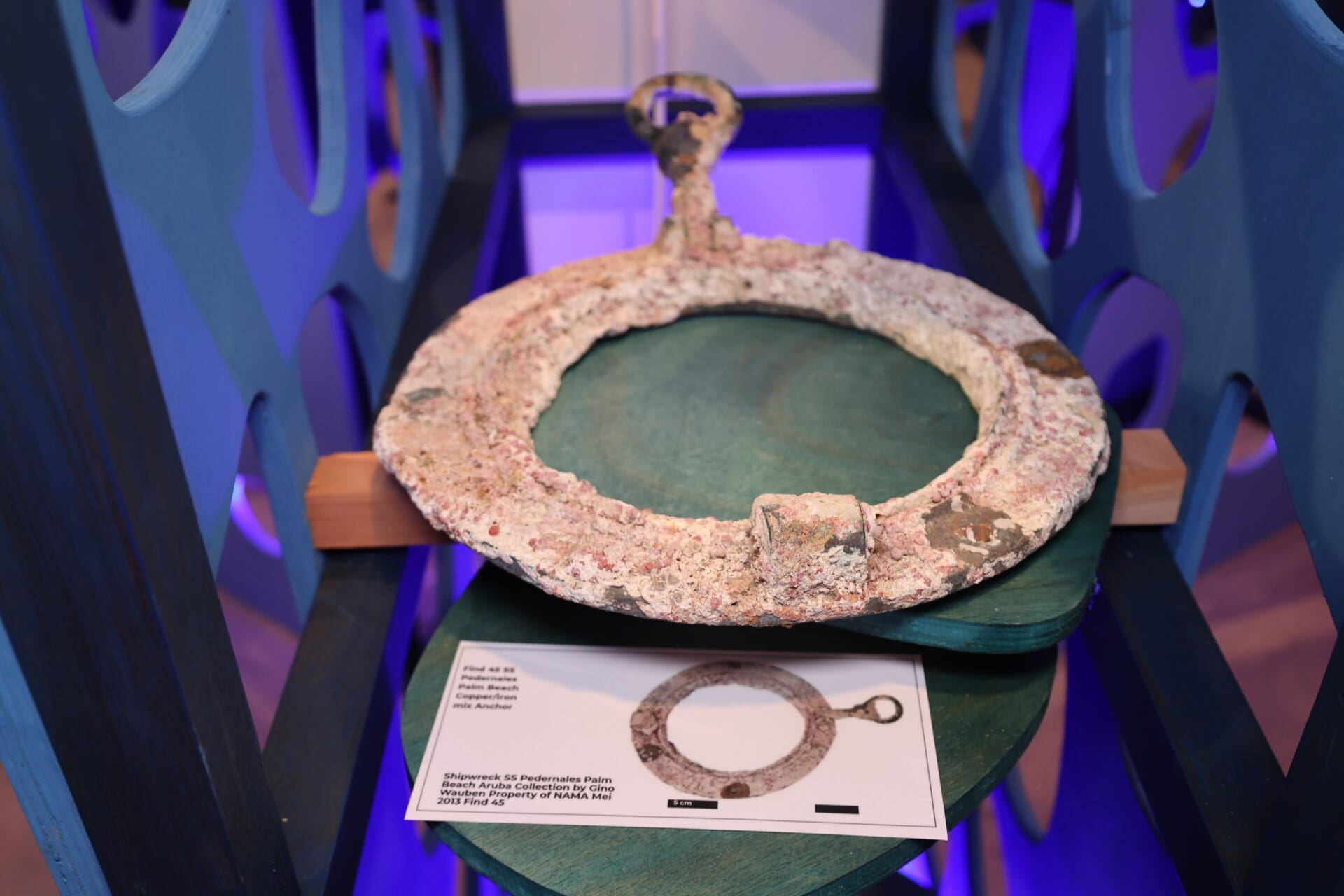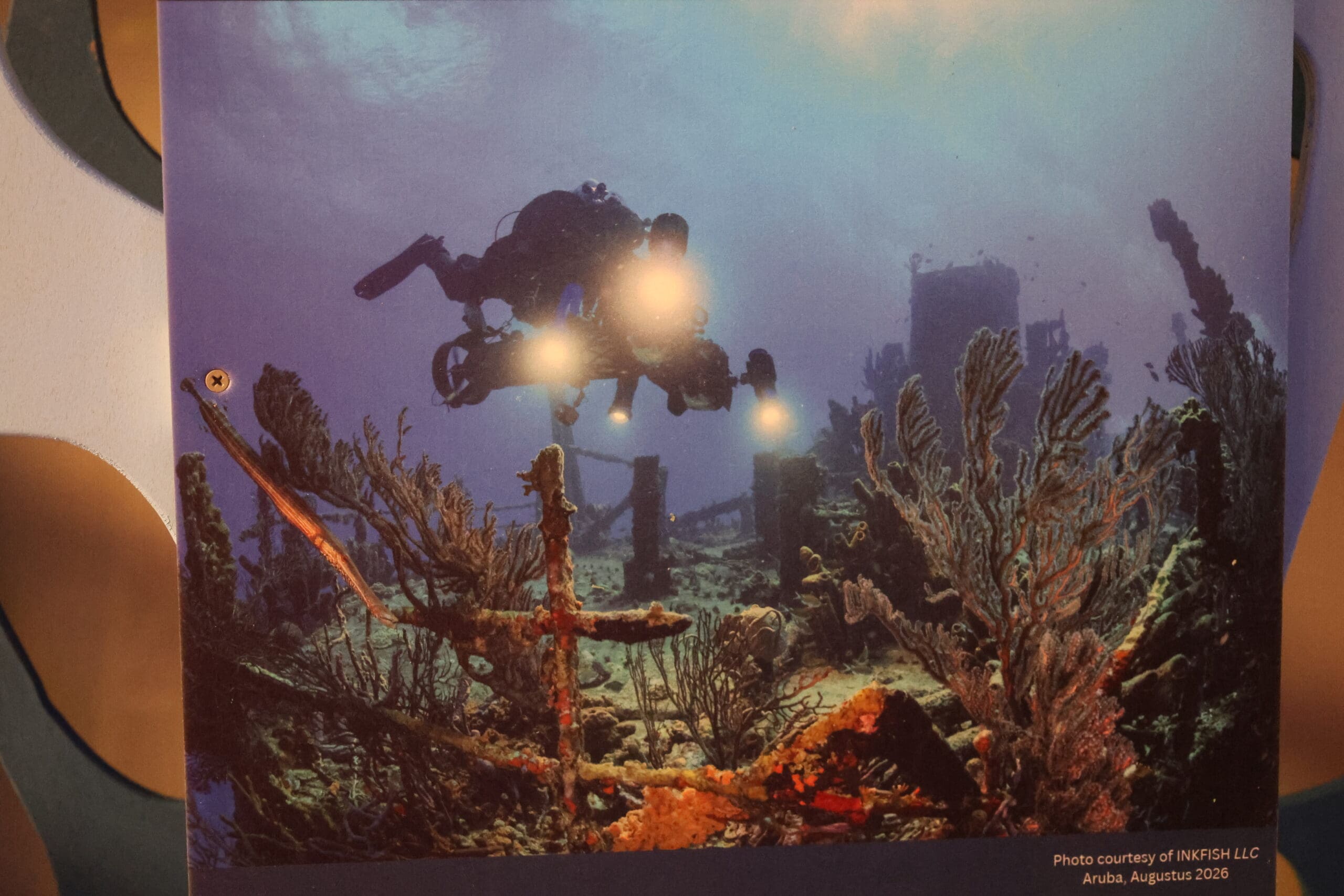
The National Archaeological Museum of Aruba is presenting Hidden Histories Beneath the Waves, an exhibition that explores the island’s underwater historical treasures and the importance of preserving them for future generations.
The exhibition brings attention to an often-overlooked part of Aruba’s history, showcasing the island’s rich maritime heritage and the need to protect it for future generations.
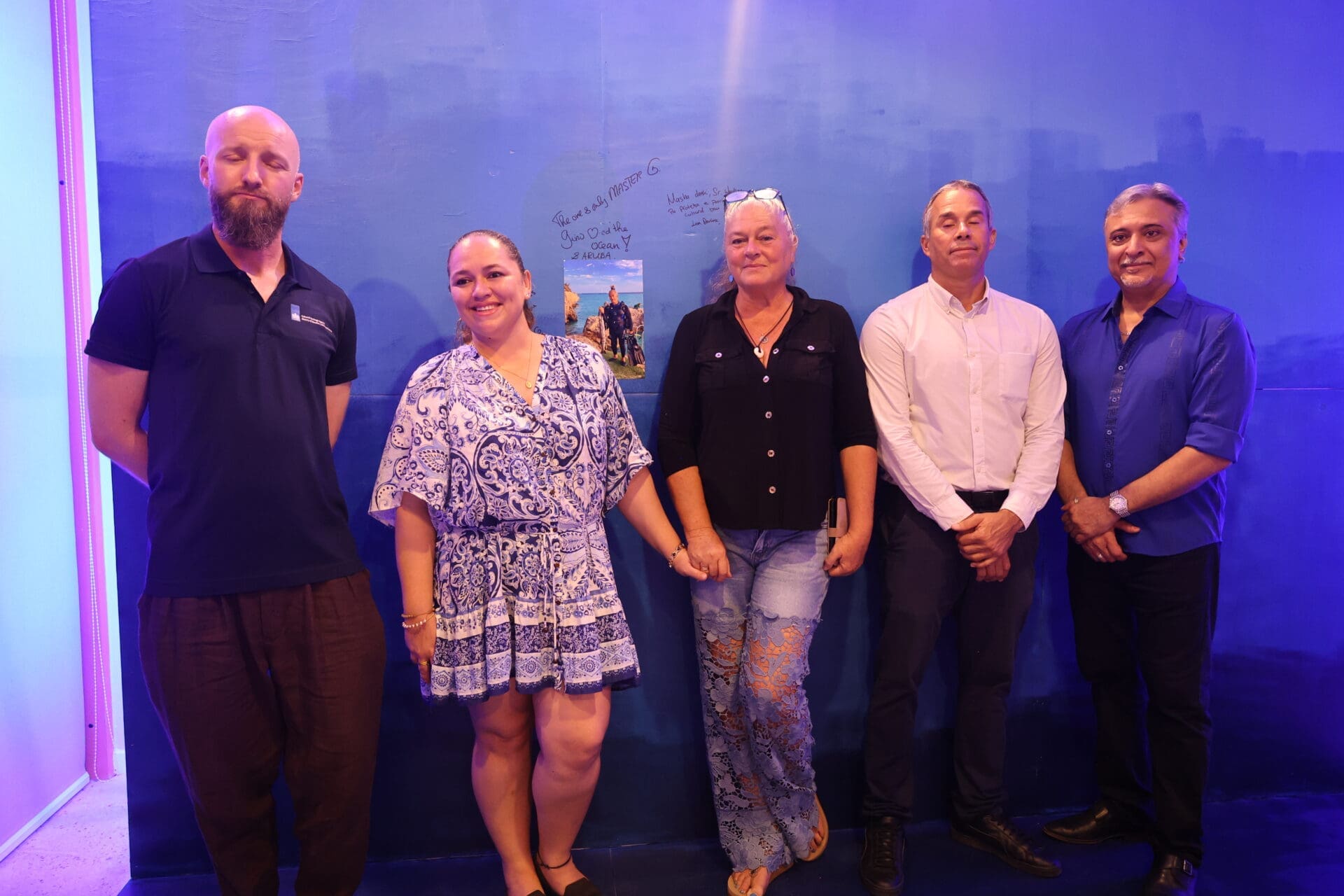
Leon Derksen, Advisor for Maritime Archaeology at the Cultural Heritage Agency of the Netherlands, explained that the project is supported by the agency and the nonprofit organization Inkfish. The organization has helped map various areas of Aruba’s territorial waters and document shipwrecks. The exhibition brings together the findings, giving visitors an opportunity to discover underwater heritage without having to dive.
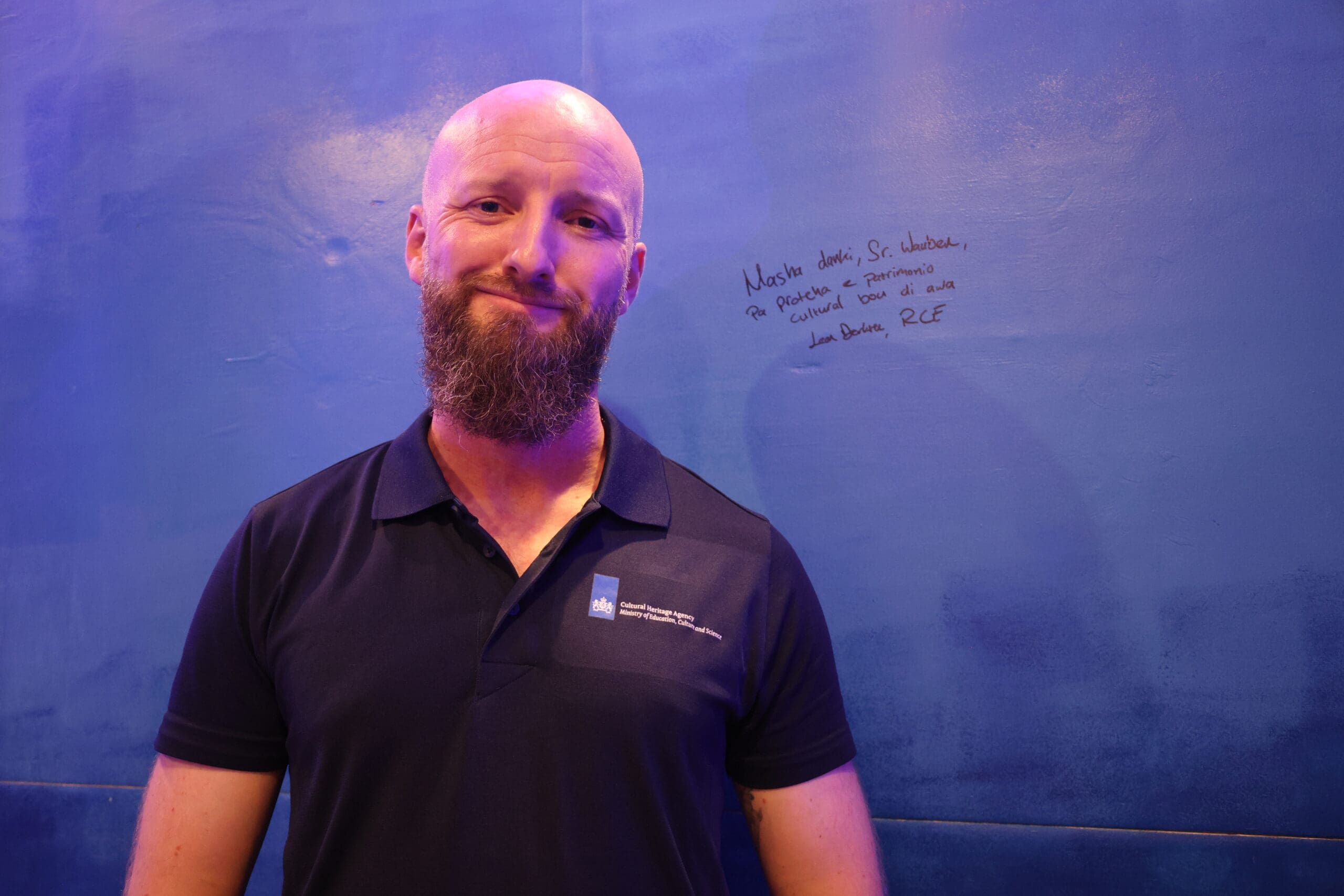
Derksen also highlighted the work of the National Archaeological Museum of Aruba and its important role in the management of underwater cultural heritage across the region.
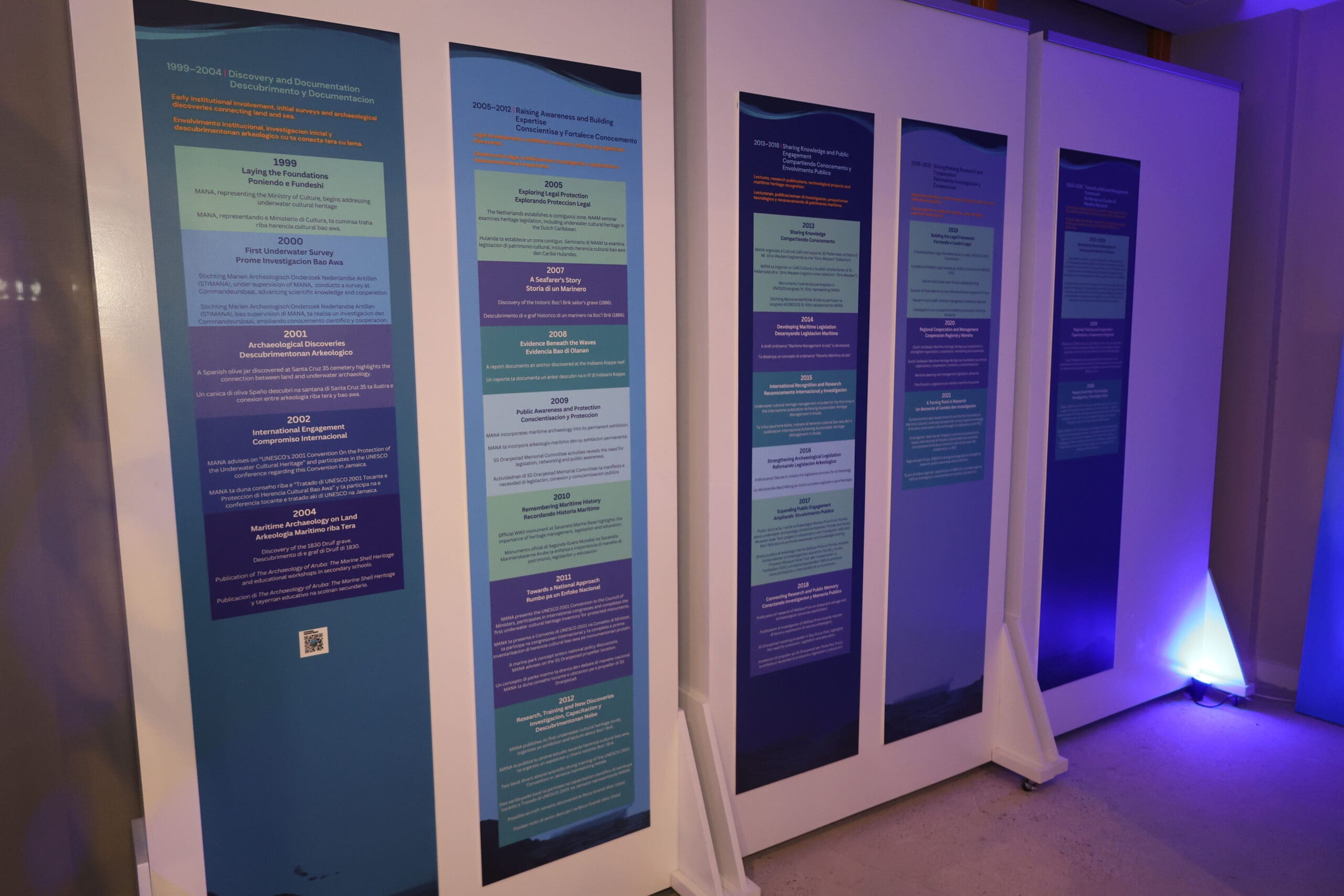
Drs. Raymundo Dijkhoff, National Archaeologist and Head of the Collections and Research Department, described the exhibition as a historic moment for archaeology and museology in Aruba. After more than 30 years of research, preparation, and knowledge gathering, the project offers the public a broader perspective on the island’s maritime history.
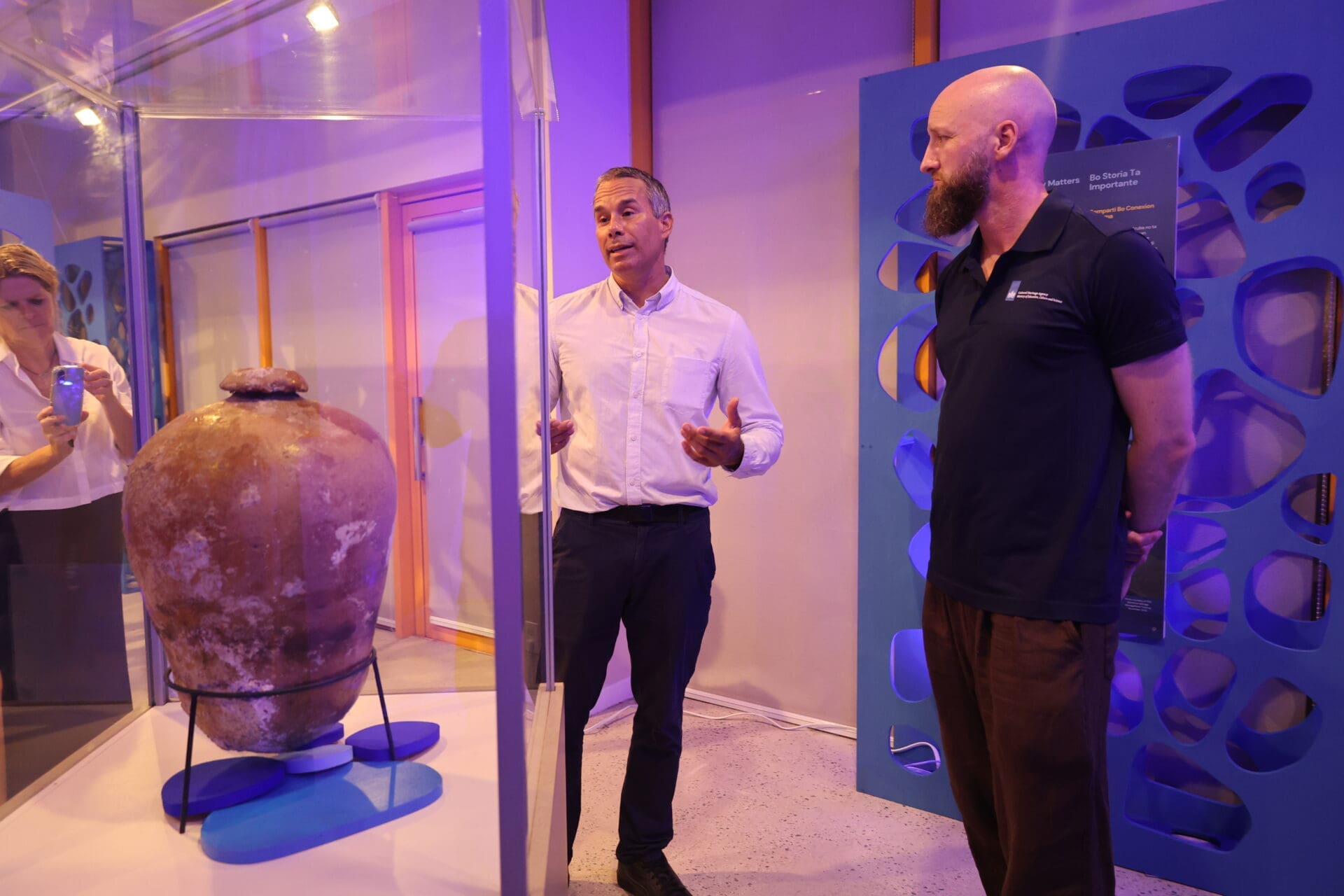
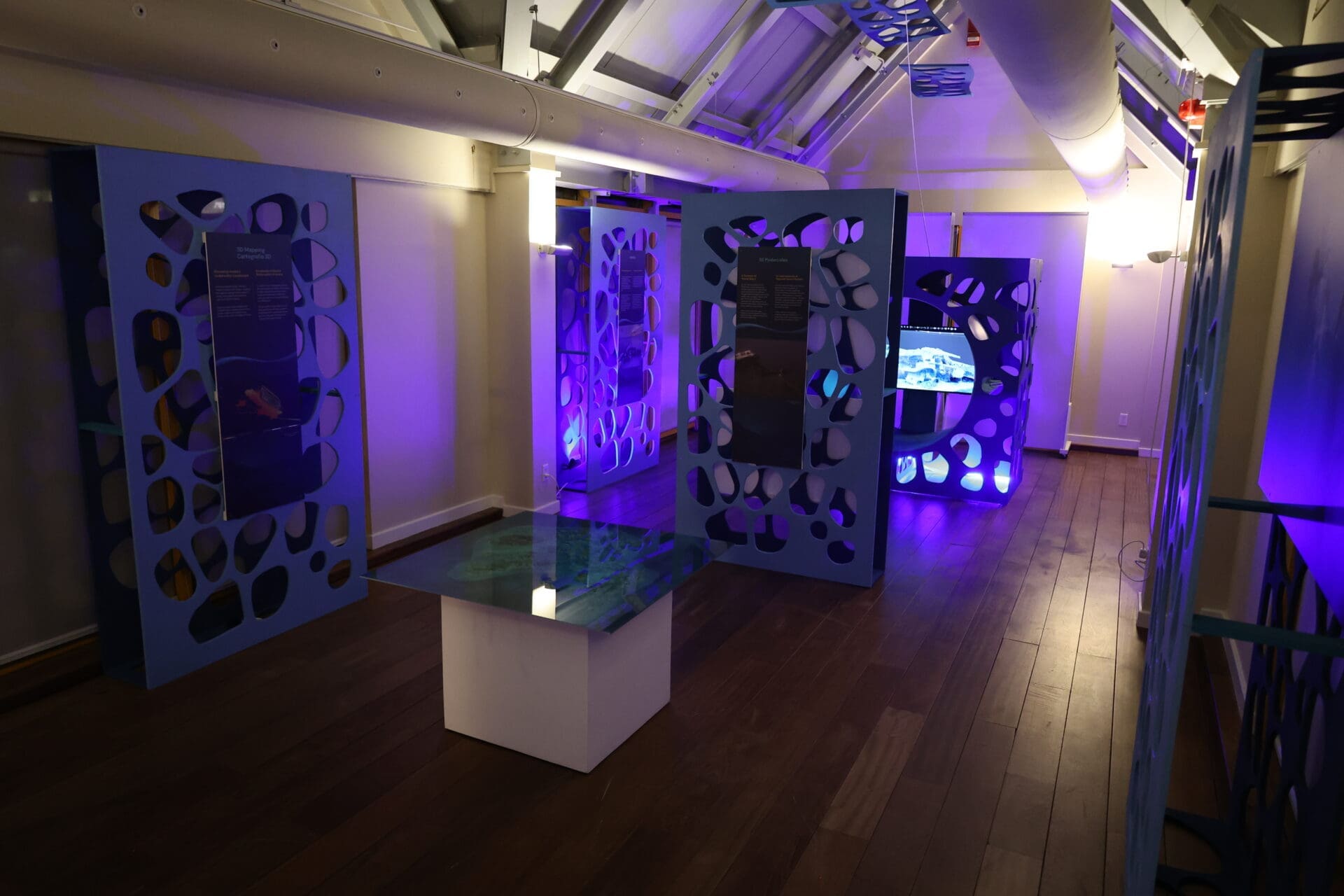
He also highlighted the six-year collaboration with the Cultural Heritage Agency of the Netherlands, which has made several research projects possible. The exhibition features findings from Inkfish’s latest multibeam survey, as well as photographs, ship models, videos, infographics, and other audiovisual materials.
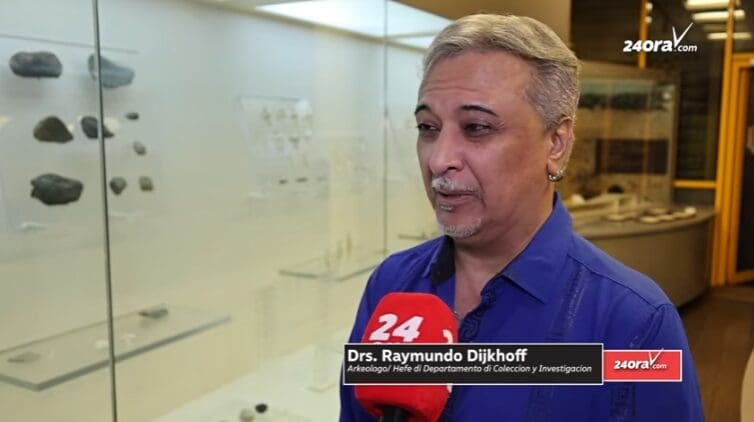
According to Dijkhoff, more than 45 archaeological sites have been identified in Aruba’s territorial waters. The island’s maritime heritage, however, extends well beyond shipwrecks. It also includes tanks, drainage channels, salt flats, lighthouses, piers, fortifications, and bridges. Together, these sites reflect the historical relationship between the island’s inhabitants and both the sea and freshwater.
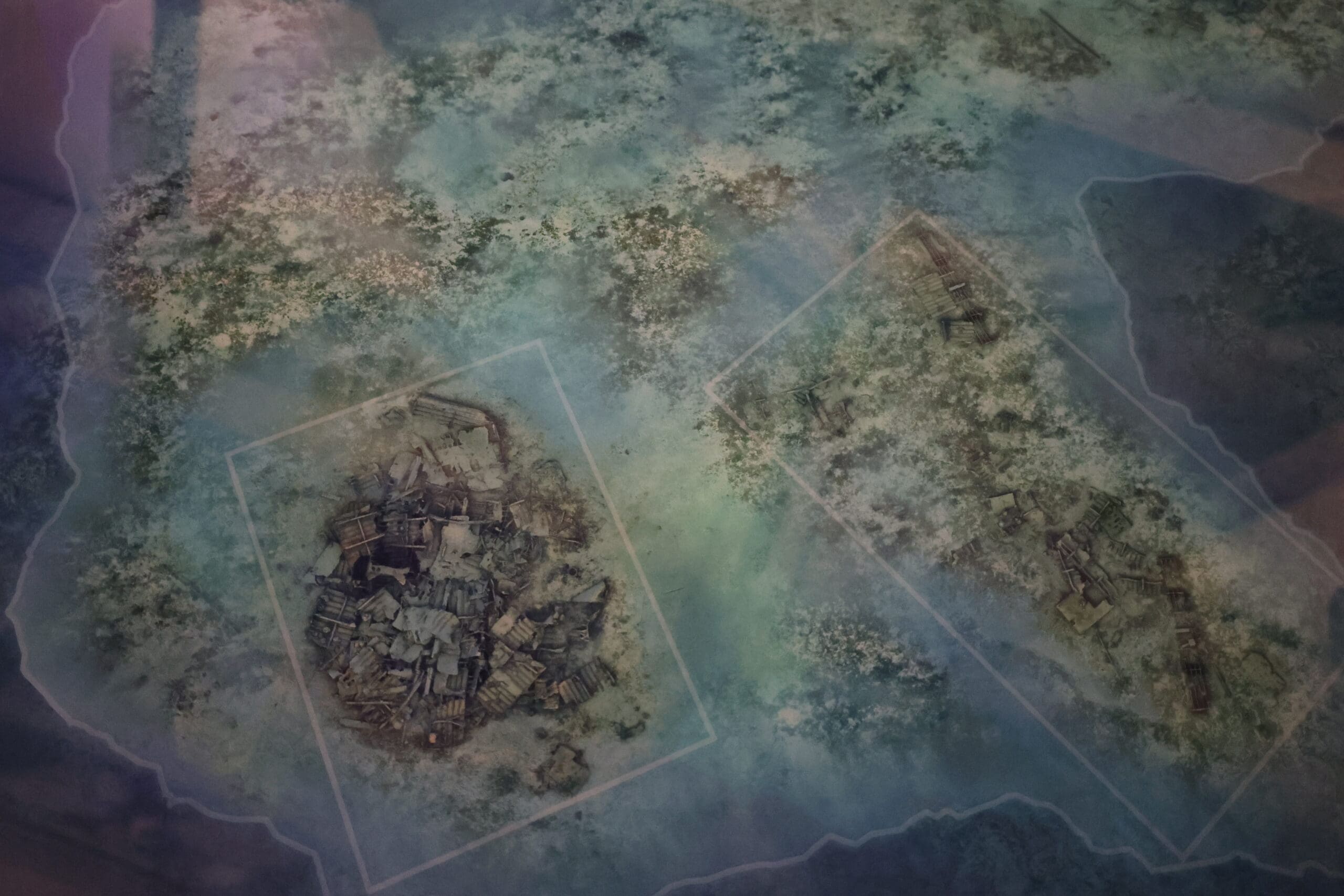
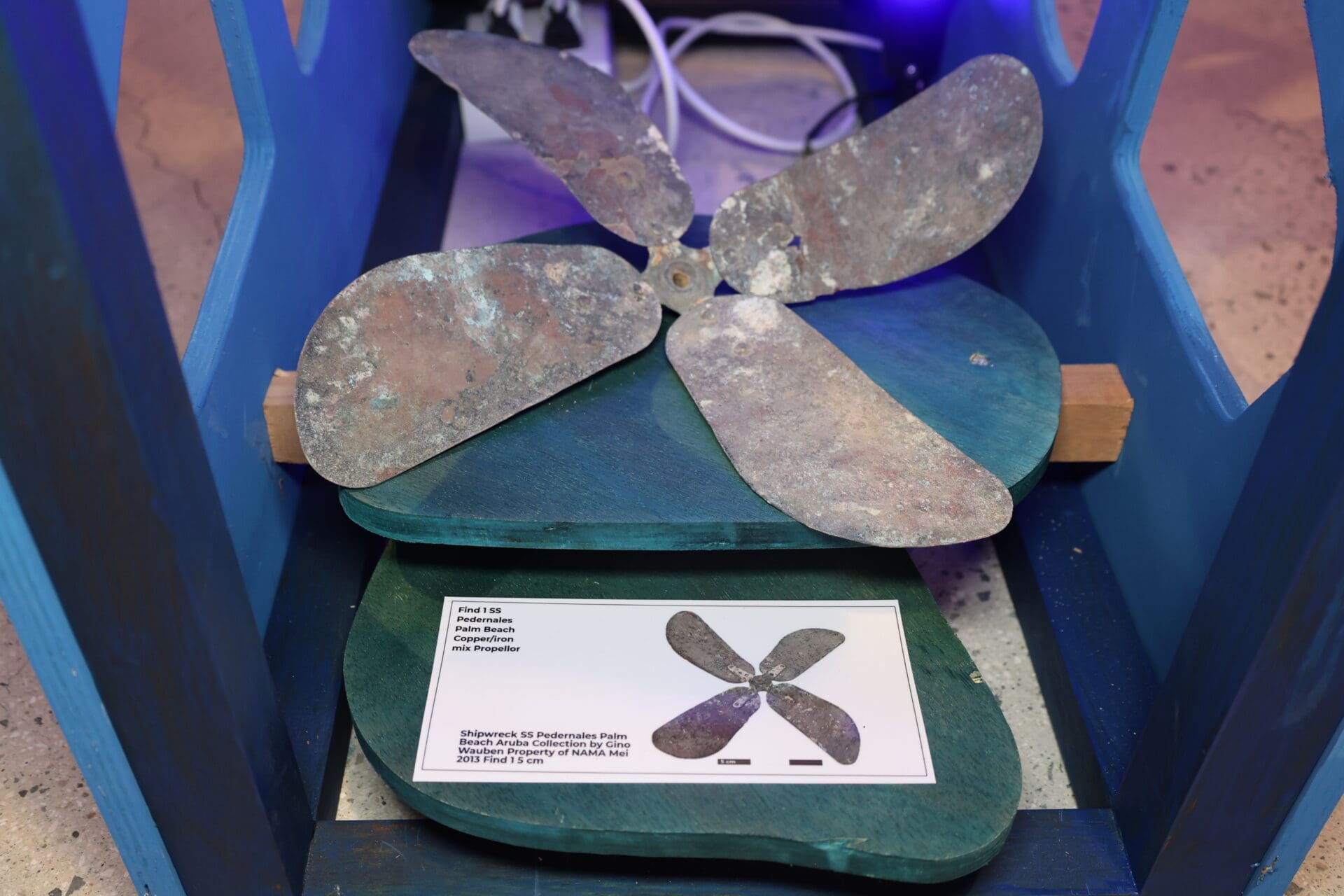
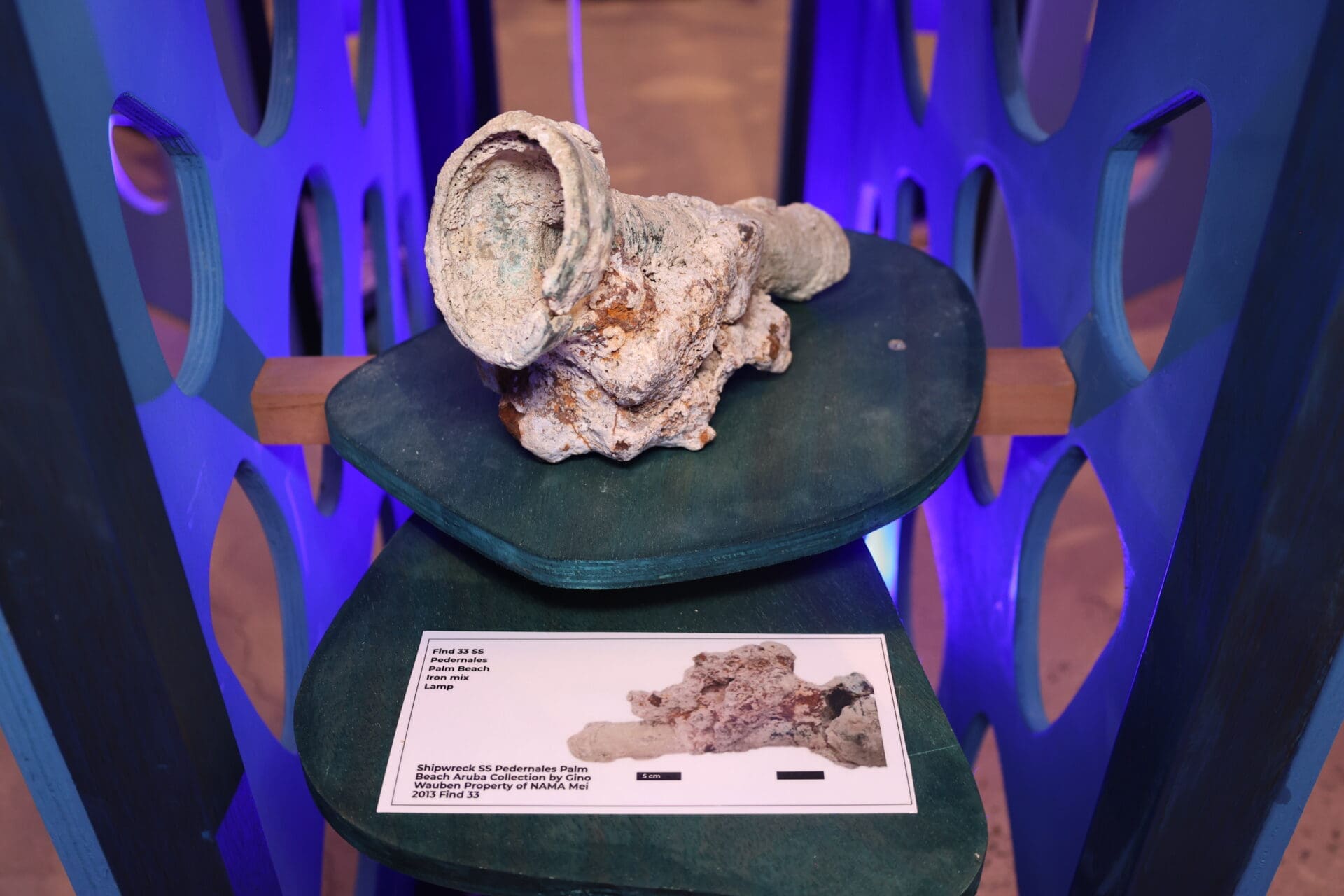
Among the historic shipwrecks he mentioned are the SS Antilla, which sank in 1940, and the SS Pedernales, which sank in 1942. These sites provide insight not only into the shipwrecks themselves but also into the lives and social relationships of the people who were on board.
Dijkhoff emphasized that understanding Aruba’s history requires looking at both its land-based and maritime heritage. He also noted that preserving these sites can strengthen national identity and support tourism development. According to him, cultural tourists spend approximately 67% more than visitors who travel primarily for recreation.
The exhibition aims to expand public knowledge of Aruba’s maritime past, strengthen the protection of its archaeological heritage, and create new opportunities to connect the island’s cultural history with tourism development.