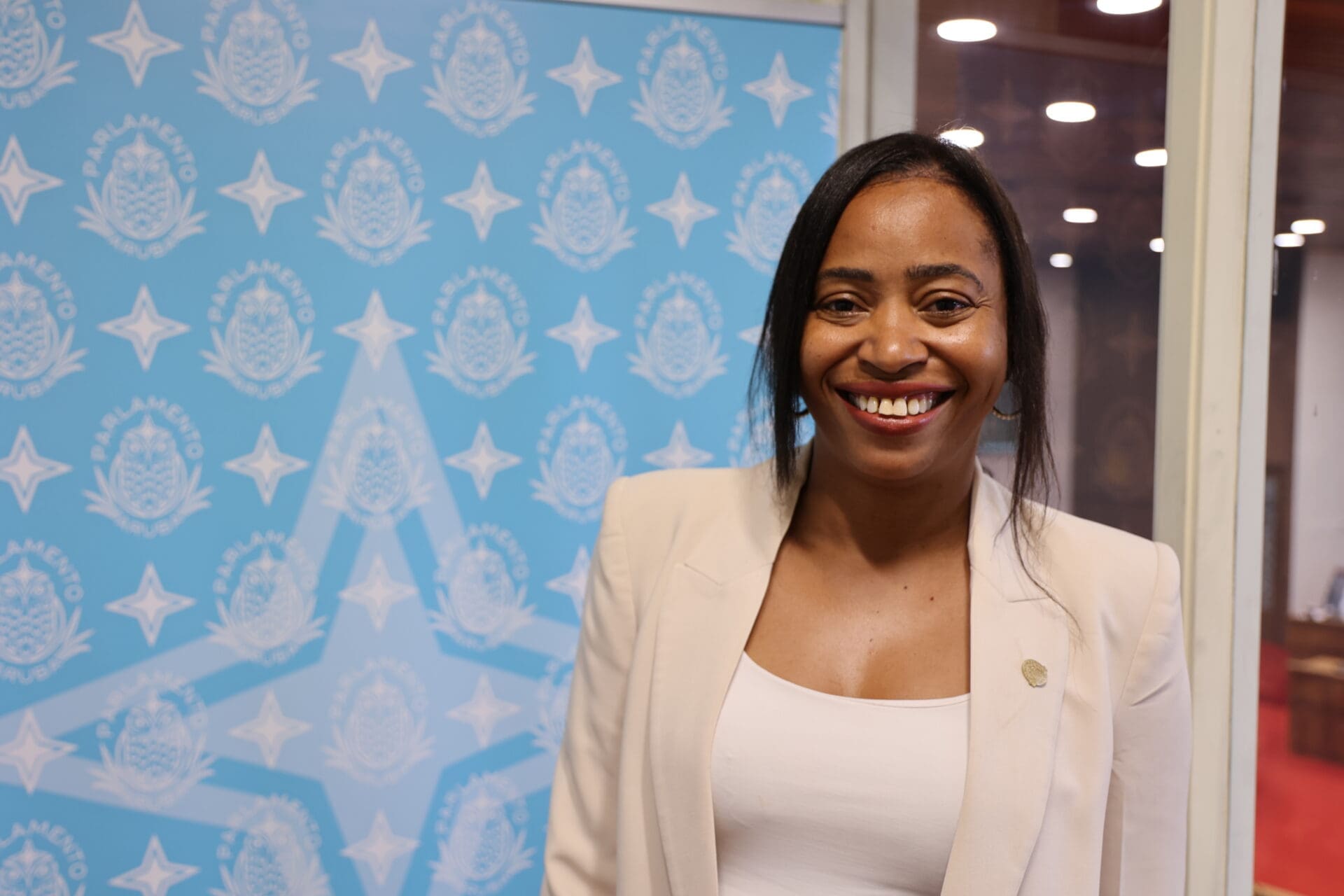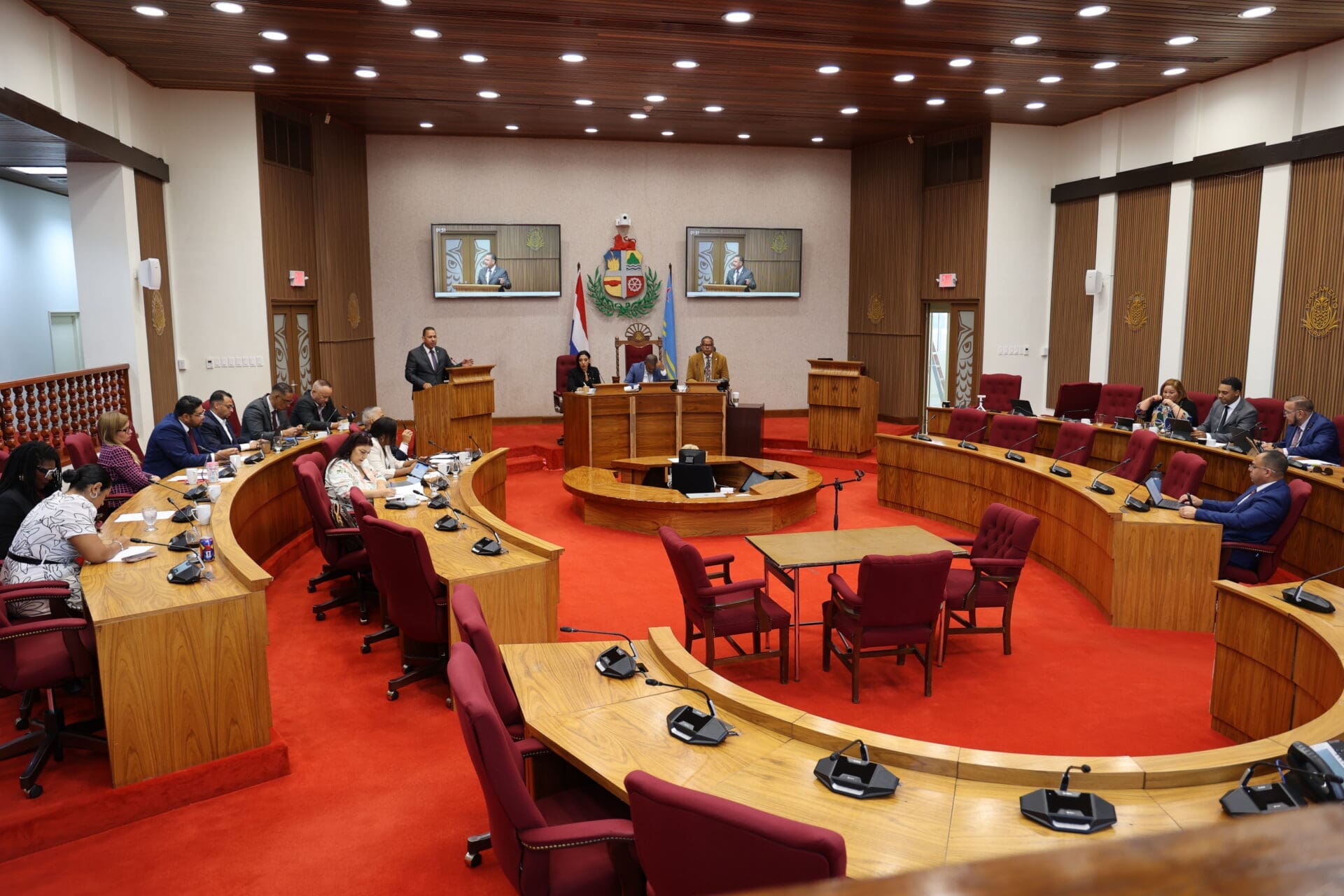
On Monday, the Parliament of Aruba officially closed its 2025–2026 legislative year. Speaking with 24ora.com, three members of Parliament—representing both coalition and opposition parties—shared their reflections on the challenges, frustrations, and accomplishments of the past term.
Coalition Perspective: Tackling Decades of Neglect
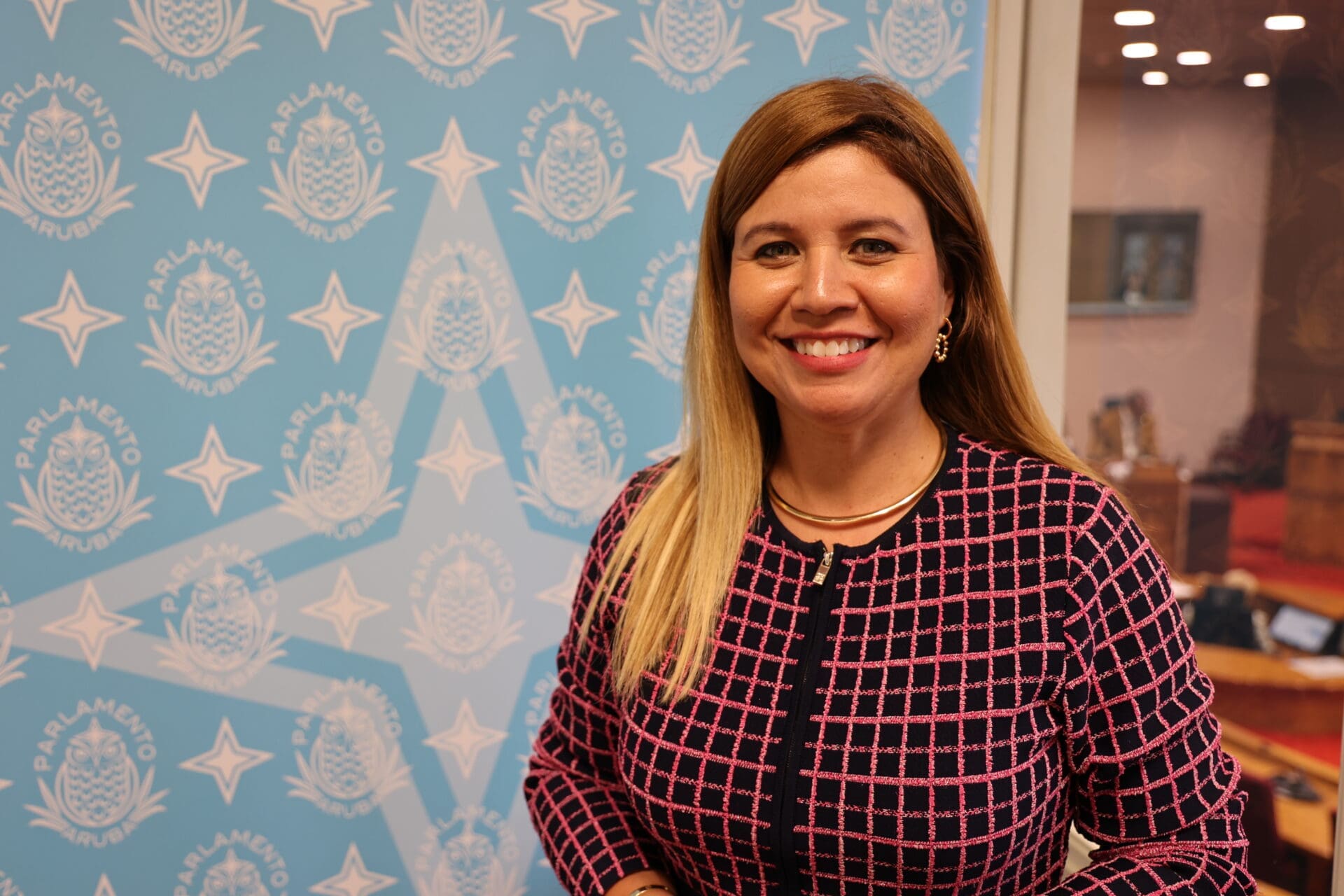
Jennifer Arends-Reyes, Faction Leader for the Arubaanse Volkspartij (AVP), voiced sharp criticism regarding the state of affairs left behind by the previous administration. According to Arends-Reyes, the current coalition inherited an overwhelming backlog of unresolved issues across nearly every sector.
She pointed to significant declines in infrastructure, social services, elder care, healthcare, and education as top priorities that require urgent reform.
- Key Focus Areas: Discussions over the past year centered heavily on national security, reforms at the Korrectie Instituut Aruba (KIA) prison, and optimizing tourism to deliver direct benefits to local citizens.
- Long Road Ahead: “There is still a lot of work to be done, and it cannot all be accomplished in a single year,” Arends-Reyes emphasized.
Opposition Critique: Unanswered Questions and a “Rubber-Stamp” Culture
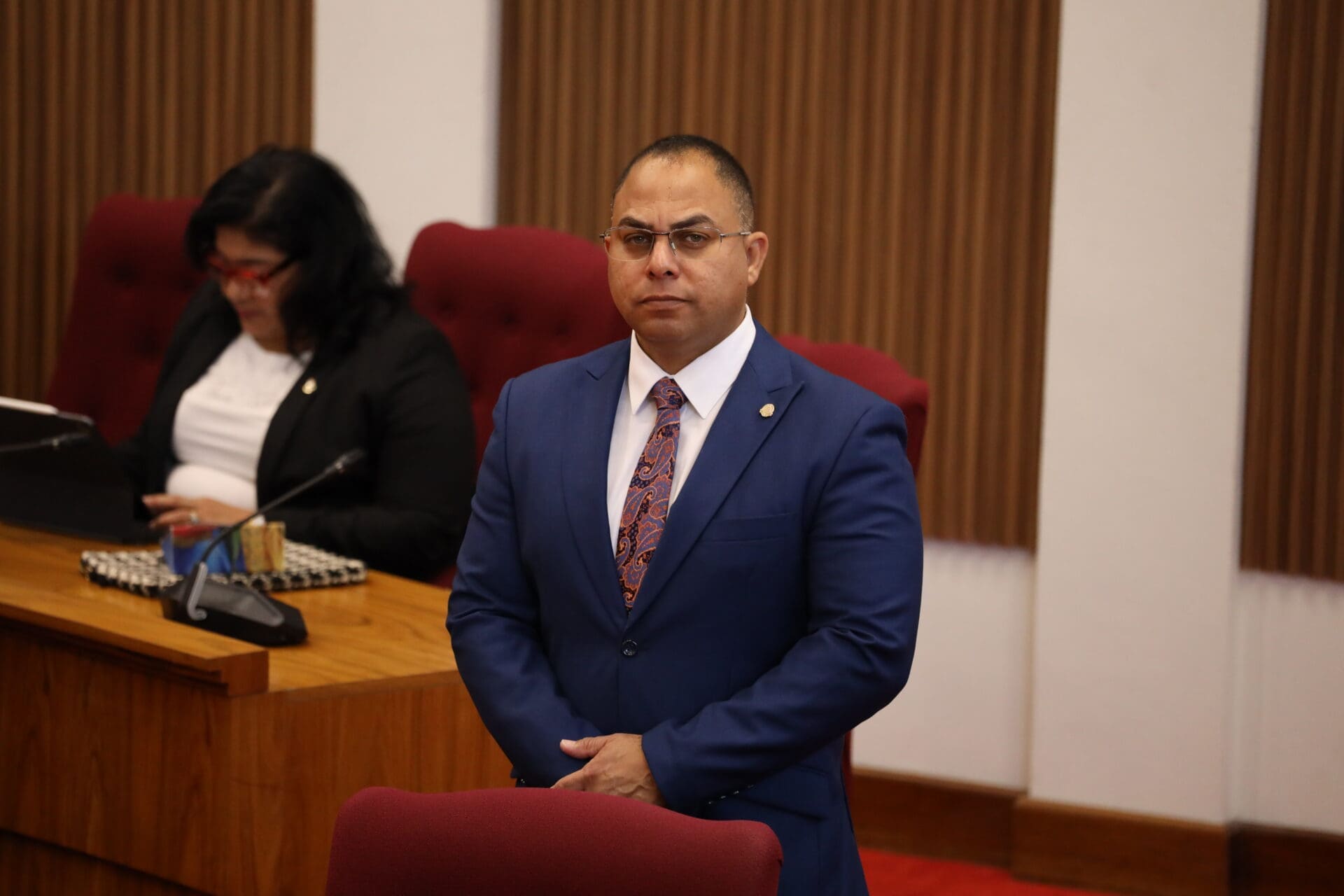
Eduard Pieters, representing the Partido Pueblo Arubano (PPA), described his freshman year in parliament as a bittersweet experience. While he found deep fulfillment in advocating for the public, he expressed growing frustration over government transparency and executive accountability.
- Lack of Executive Accountability: As a single-person faction, Pieters submitted approximately 200 formal inquiry questions over the past year, yet nearly 50% remain unanswered—with some pending for over twelve months. He noted that even fellow lawmakers face similar roadblocks, pointing to MP Carlos Bermudez (AVP), who submitted 76 questions without receiving a response.
- Disregard for Legislative Process: Pieters criticized cabinet ministers for failing to appear during designated parliamentary question hours (vragenuur) and ignoring motions passed unanimously by lawmakers. He warned that Parliament is increasingly functioning as a passive “rubber-stamp” body (stempelparlement) rather than an independent check on executive power.
Calls for Unity: Overcoming Political Polarization
Ruthlyn Lindor of the FUTURO faction lamented the pervasive partisan divide in Aruban politics, questioning why lawmakers fail to unite even on initiatives that directly benefit the public.
- San Nicolas Revitalization: Lindor highlighted the national budget as a prime example, noting that measures specifically designed to bring economic revitalization and hope to San Nicolas still met fierce partisan opposition.
- Rising Polarization: She cautioned that constant political hostility and division harm the country, warning her colleagues that political fortunes shift quickly: “Whoever is in government today could easily be in opposition tomorrow. Fostering hatred and division creates an unhealthy environment for our people.”