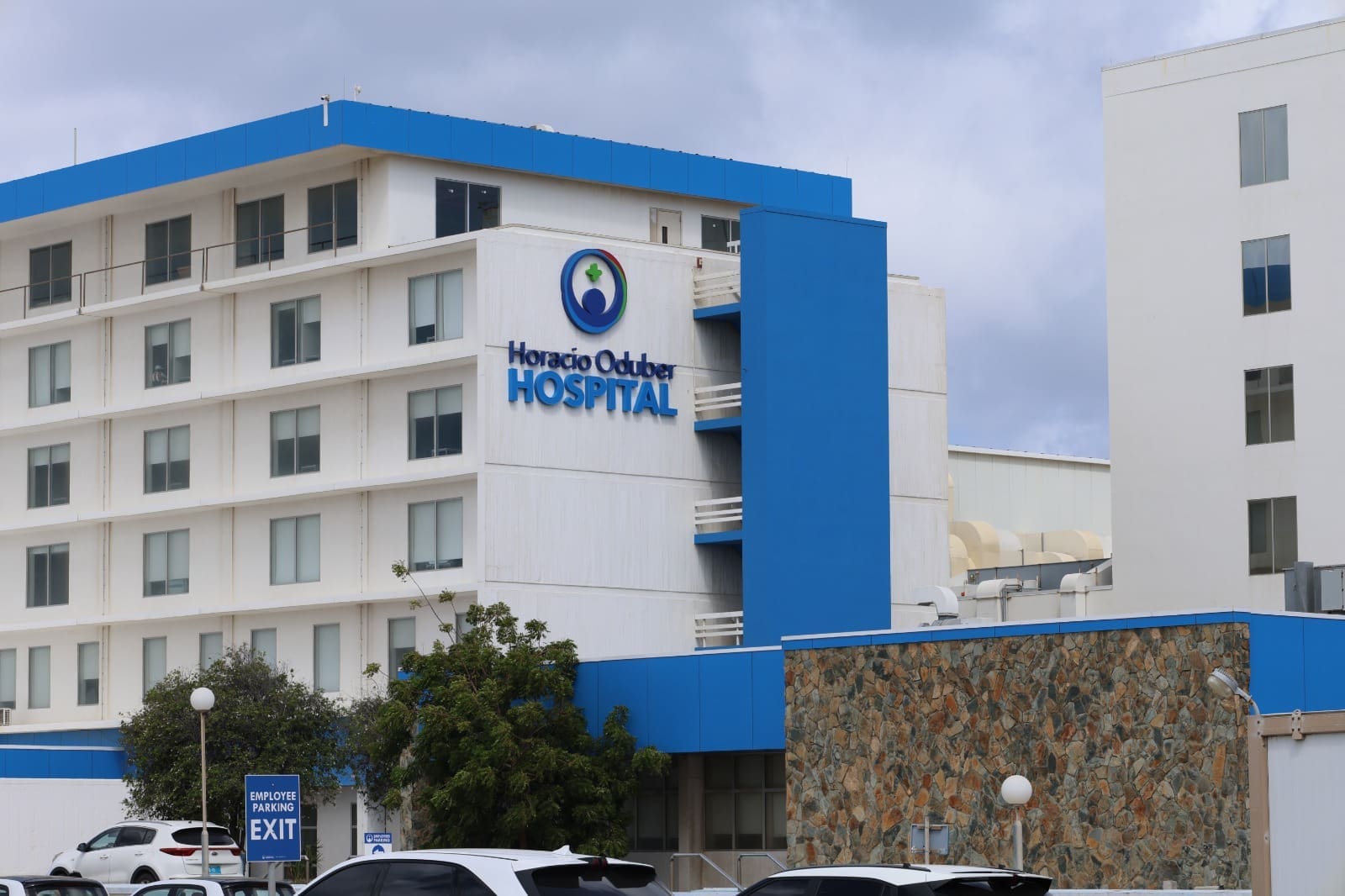
Horacio Oduber Hospital (HOH) has received an additional Afl. 15 million advance from AZV, bringing the total amount of additional advances provided to the hospital in 2026 to Afl. 31 million. The funding will allow the hospital to continue operating in the coming weeks, but a long-term solution to its financial difficulties remains unresolved.
The Ministry of Public Health, HOH management and AZV’s Executive Board have been meeting for several months to address the hospital’s financial situation, which has been affected by increasing patient numbers and rising healthcare costs. AZV has provided advances since February, subject to conditions intended to safeguard public funds and maintain the continuity and quality of care.
Following a meeting with Minister of Public Health Mervin Wyatt-Ras, HOH CEO Jacco Vroegop confirmed that the hospital also received a partial payment from AZV on November 3. This payment covers outstanding claims for healthcare services provided to AZV-insured patients in 2025. However, no final agreement has been reached regarding the remaining amounts.
According to a statement sent to employees and signed by Vroegop, Gregory Croeze and Yuri Casseres, the payment allows HOH to continue operating for a few more weeks. The hospital does not currently need to introduce additional restrictions or change scheduled treatments, nor does it need to initiate legal proceedings. Management stressed that this is only temporary relief.
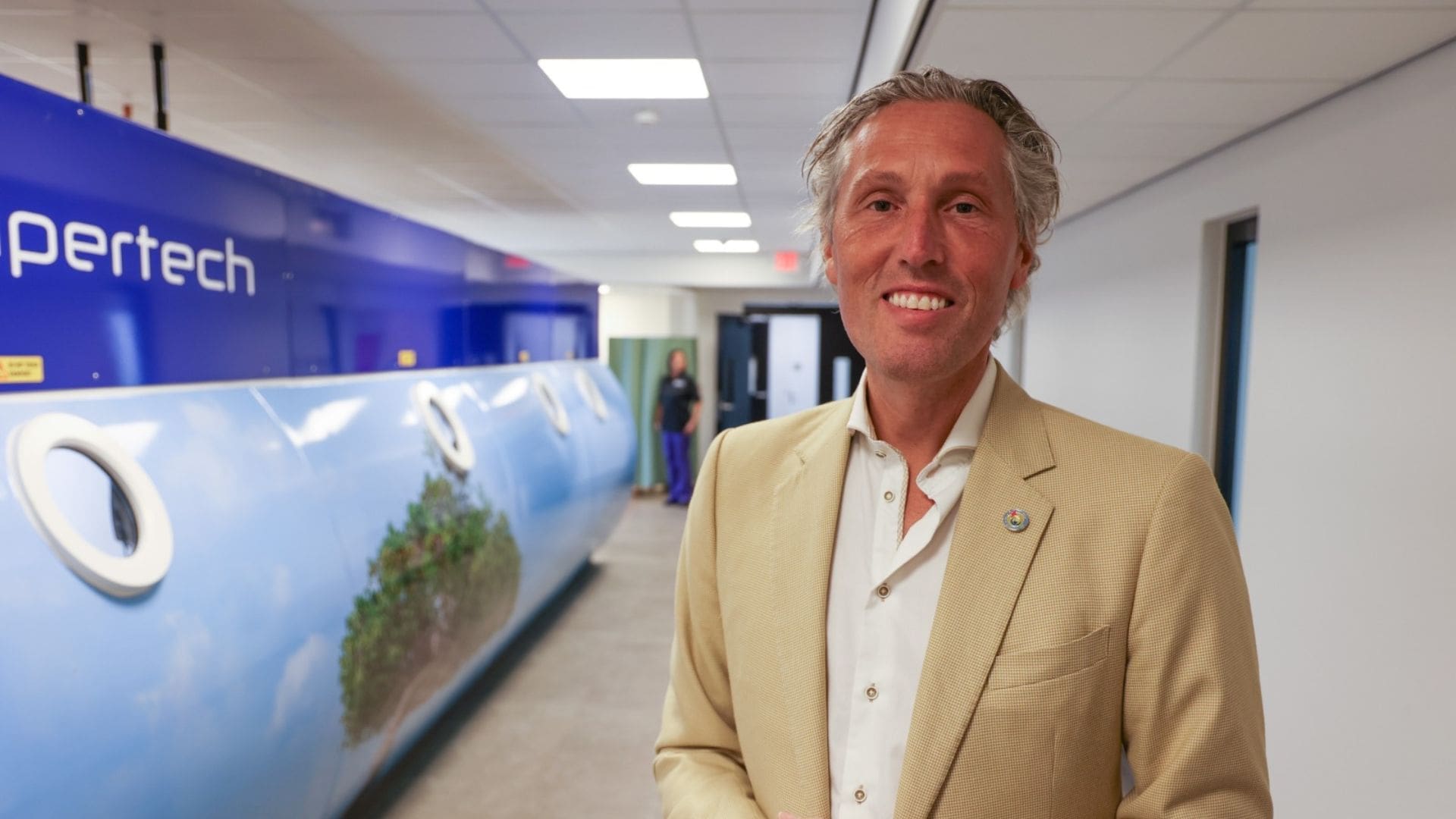
Vroegop said an AZV-commissioned report highlighted the hospital’s urgent need for additional funding to cover operating expenses, suppliers, payroll and the continued provision of healthcare. He also pointed out that AZV has funds and reserves available to help meet these obligations.
The CEO referred to Article 2A of the National Ordinance on AZV, which allows the minister to issue binding instructions to the institution. According to Vroegop, AZV’s Supervisory Board is awaiting such an instruction to ensure sufficient funding. He believes the minister ultimately carries responsibility for ensuring that AZV can meet its obligations and that healthcare services are not reduced.
HOH also maintains that its current budget does not reflect the actual cost of providing care. Preliminary findings from an external study commissioned by AZV reportedly show that several expense categories do not adequately account for inflation, price increases and other rising costs. As a result, the hospital faces a monthly shortfall and is calling for a structural agreement with AZV and the Government of Aruba.
Another concern is AZV’s plan to begin deducting previous advances from the hospital’s biweekly payments in December. HOH warns that this could create a new cash flow shortage and potentially affect patient care. Discussions are ongoing to prevent drastic measures, while both parties must also reach an agreement for 2027 covering prices, healthcare volumes and quality standards within an agreed budget.
Hospital management acknowledged that the ongoing uncertainty is causing concern among employees but stressed that its priority remains providing timely care and maintaining a stable working environment.
The Ministry of Public Health and AZV’s Executive Board have reaffirmed their commitment to maintaining access to specialized hospital care. AZV expressed confidence that continued dialogue and cooperation will lead to a lasting solution.
The additional Afl. 15 million gives HOH temporary financial relief, but an agreement addressing the hospital’s long-term funding and financial sustainability is still needed.